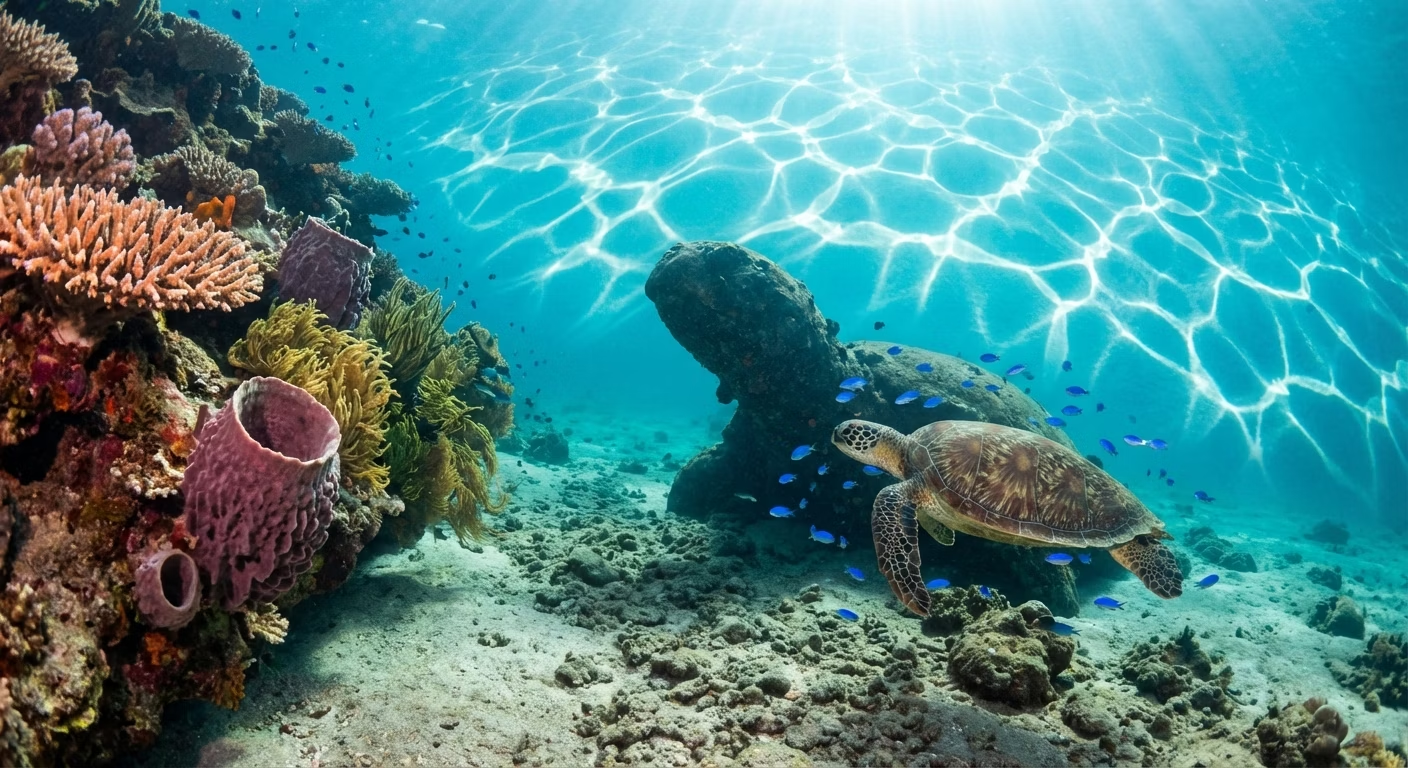
Turtle Neck dive site

Padang Bai

Turtle Neck Diving

Usually calm with a possible light drift. The guide selects the route and profile for the group, tide and surface conditions.

Depth range
5–30 m
Access
Boat
Environment
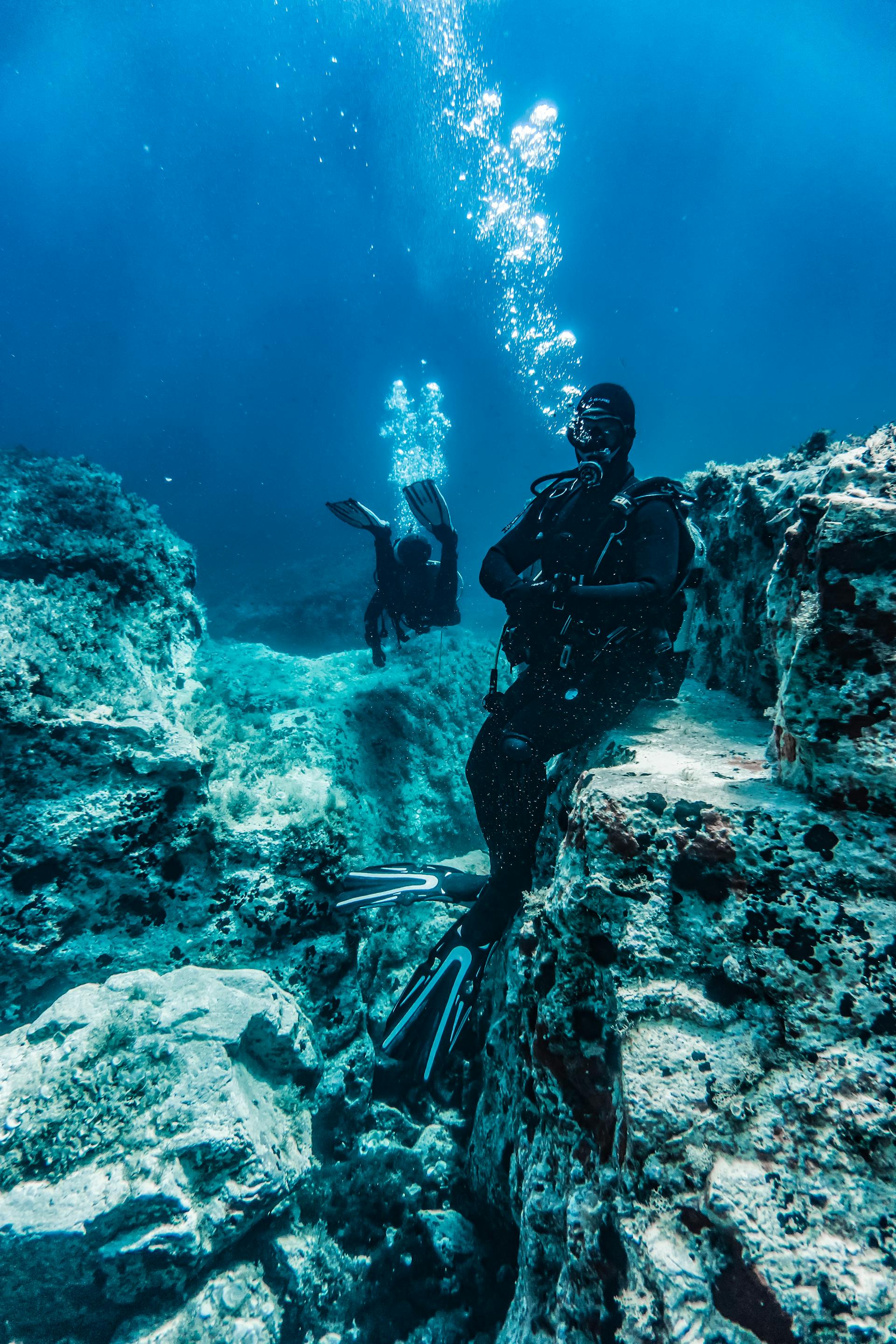
Sandy slope, Wall, Macro, and Coral reef
Experience level
Beginner

About Turtle Neck

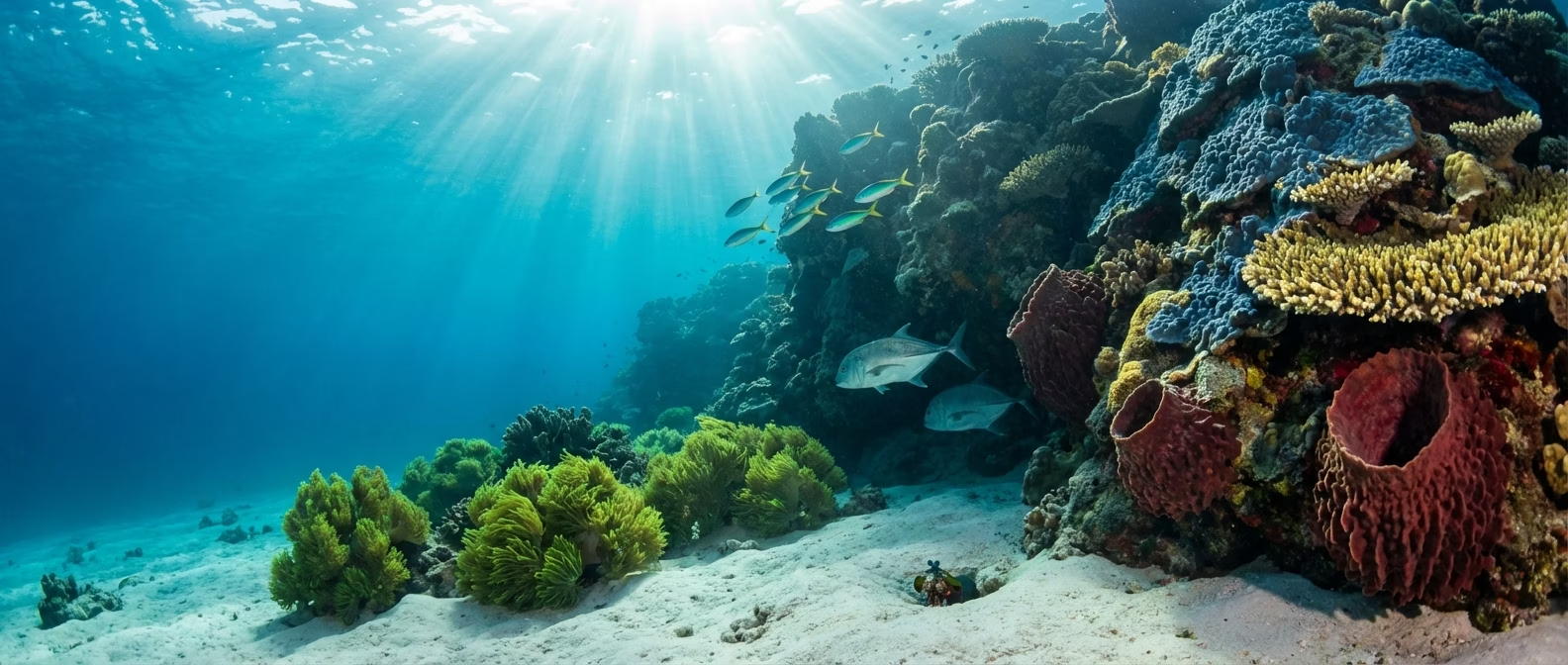
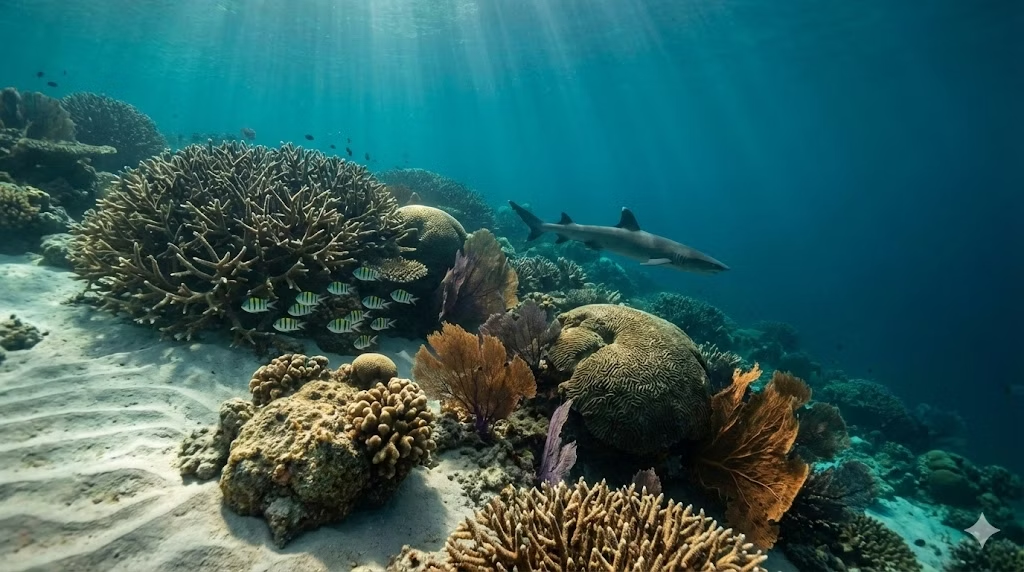
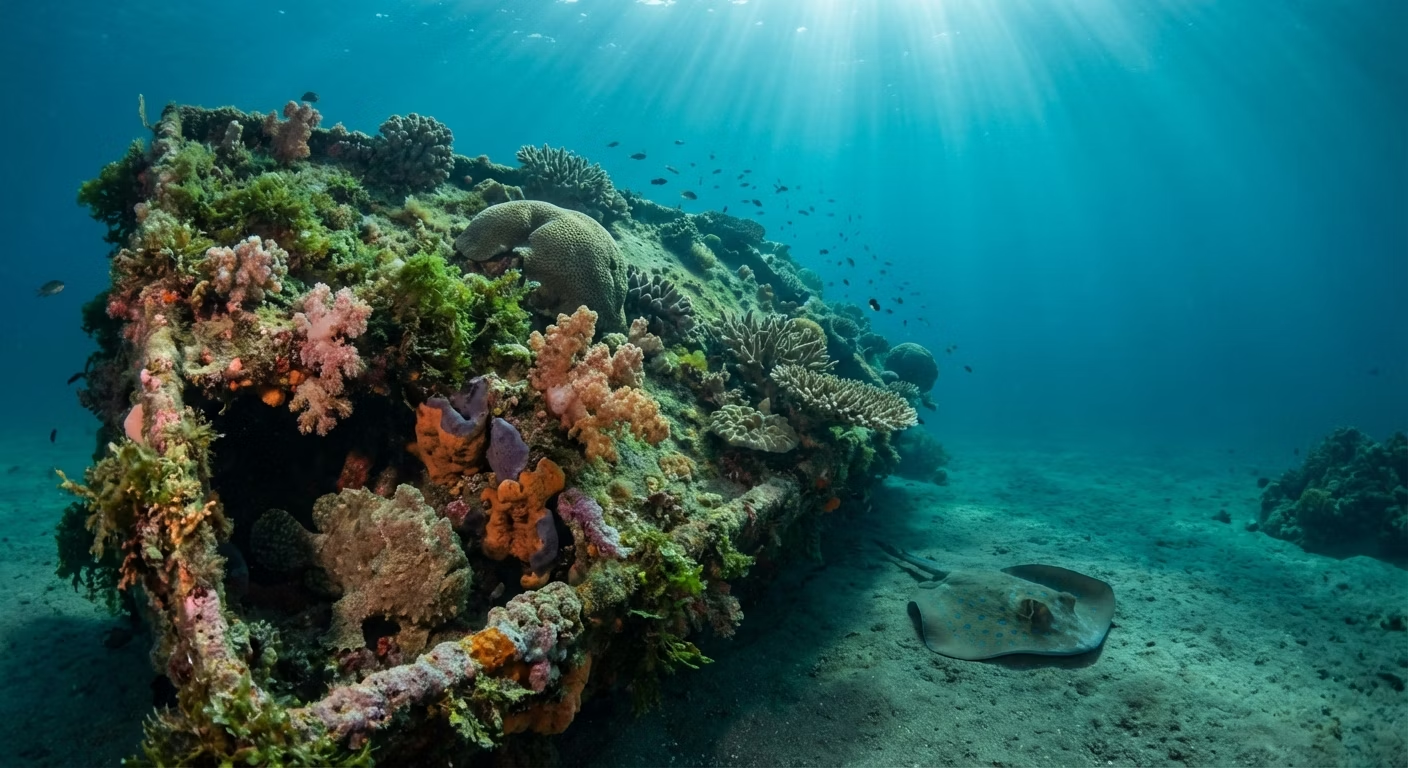
Turtle Neck is a sandy slope, wall, macro dive in Padang Bai, with a working depth range of approximately 5–30 m. The site is known for feather stars, seahorses, frogfish, moray eels, and nudibranchs. Conditions remain variable, so the route, maximum depth and suitability are confirmed by the local guide on the day.

Site highlights

  • Sandy slope, Wall, Macro, and Coral reef profile
  • Usable depth range from approximately 5 to 30 m
  • Potential encounters include feather stars, seahorses, frogfish, and moray eels
  • Usually calm with a possible light drift

Before you dive

Recommended certification

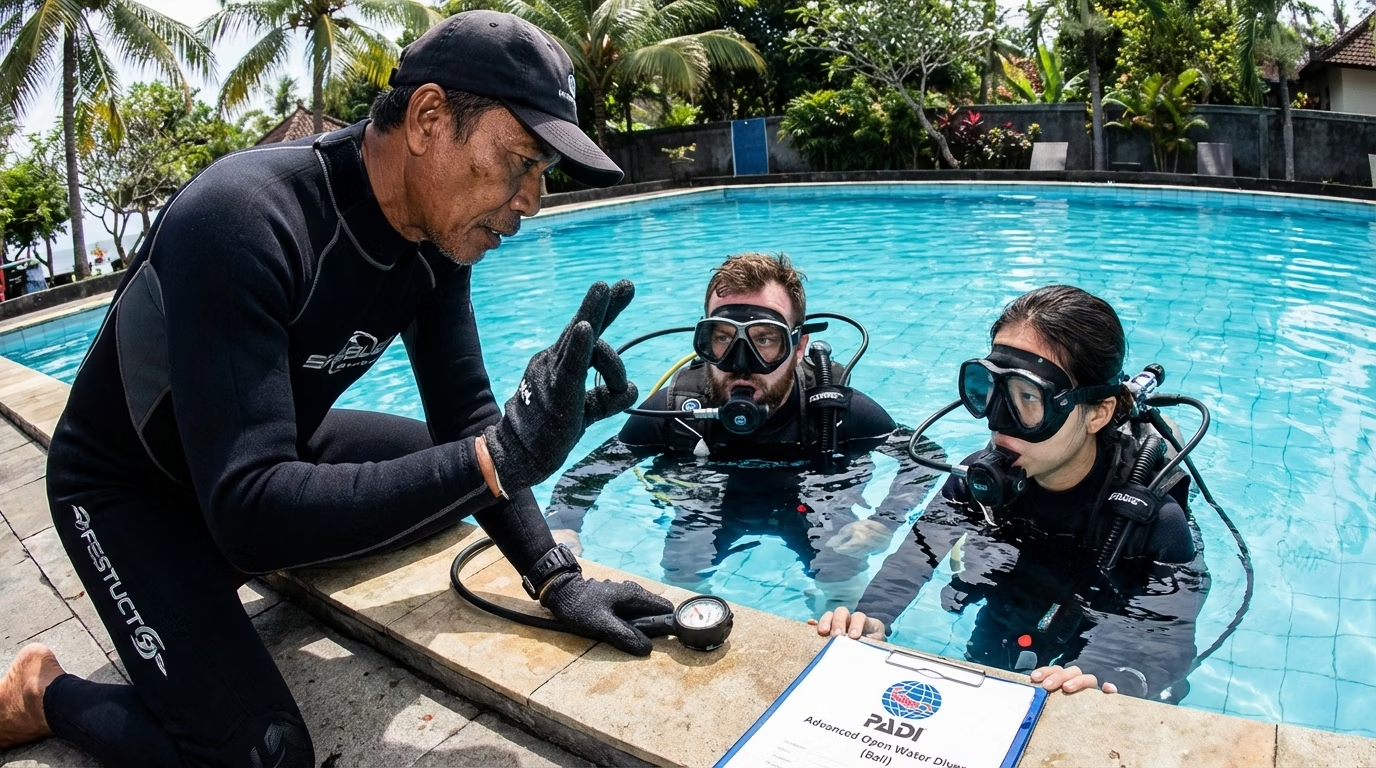
Open Water or Discover Scuba under direct professional supervision in suitable conditions

Local guide recommended

Explore with a local guide familiar with the site and its entry and exit points.

Diving conditions & best time to visit

Water temperature
24–29 °C
Visibility
10–20 m

Usually calm with a possible light drift

Best months to dive

April–November often provides drier weather and good visibility; diving remains possible year-round when daily conditions permit.

Diveable year-round. April–November often brings drier conditions, while tide, swell, harbour traffic and localized current remain the deciding factors each day.

Conditions may change

Typical conditions can vary on the day of your dive. Confirm current conditions with the dive team before entering the water.

Marine life & activities

  • Feather stars
  • Seahorses
  • Frogfish
  • Moray eels
  • Nudibranchs
  • Catsharks
  • Turtles
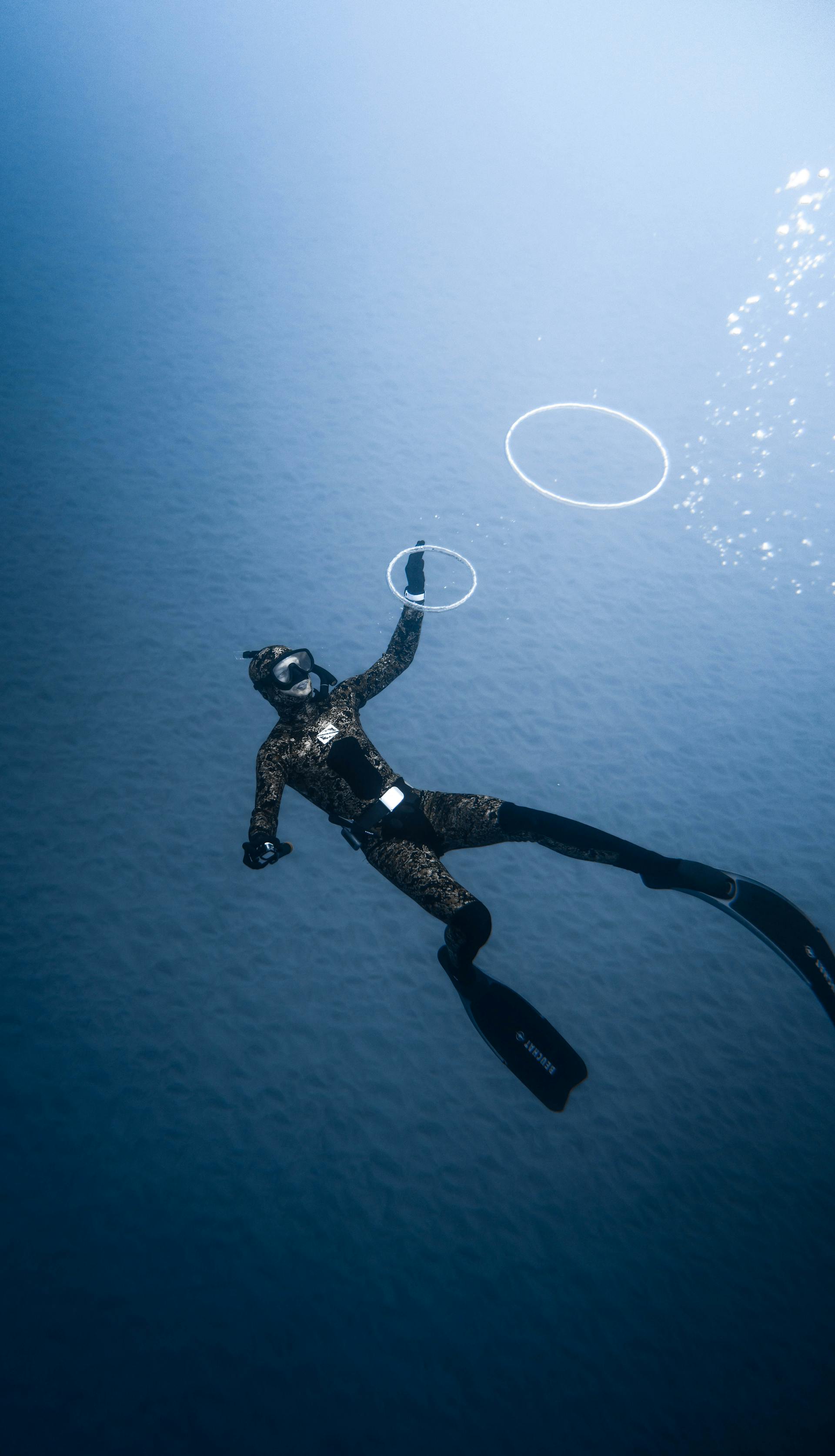
Snorkeling Freediving Night diving

Access & safety

Entry & Exit

Short boat ride from Padang Bai harbour

Boat departure point
Padang Bai harbour
Boat travel time
5–15 min

Safety notes

Control buoyancy near the wall and sandy macro habitat, stay within certification depth and avoid disturbing animals in crevices.

Dive tips

  • Follow the local guide’s site- and tide-specific briefing.
  • Agree a maximum depth within certification limits; the published site range is 5–30 m.
  • Maintain neutral buoyancy and avoid contact with coral, artificial structures and the seabed.
  • Control buoyancy near the wall and sandy macro habitat, stay within certification depth and avoid disturbing animals in crevices.
  • Treat wildlife encounters as possible, never guaranteed, and give animals space.

Underwater photography

A flexible setup works best: use a macro lens for small subjects on sand, rubble and coral, or wide angle for the broader reef structure. Maintain stable trim, avoid stirring sediment and never move or touch wildlife for a photograph.

Site map & location

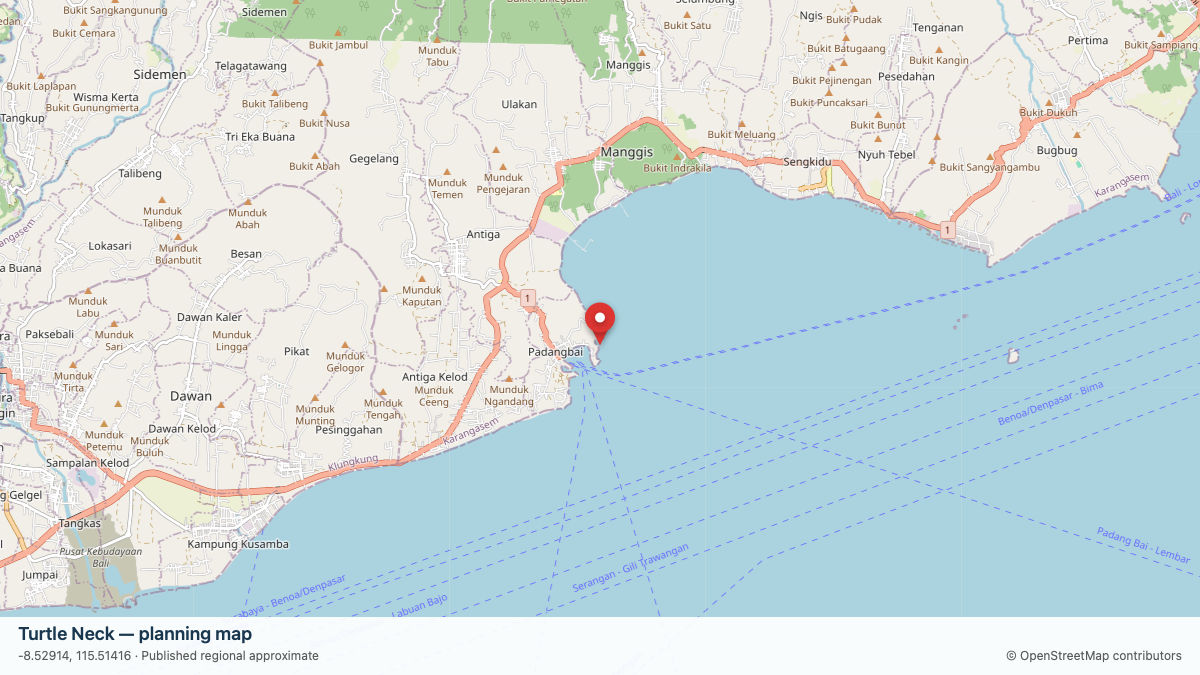
Turtle Neck dive site planning map

Bali Diving

One of Southeast Asia's top dive destinations.

Bali is internationally recognised for its rich marine biodiversity and variety of dive environments. From coral reefs to wrecks and unique underwater landscapes, the island attracts divers from around the world looking for memorable and diverse diving experiences.

START YOUR DIVING NOW